
understanding homeopathy
homeopathy
homeopathy
The Science, Philosophy, and History Behind This Medicine
Homeopathy is a therapeutic system developed over 200 years ago based on the principle of “like cures like.” A substance capable of producing symptoms in a healthy individual can, when prepared homeopathically, stimulate the body to resolve similar symptoms during illness. This approach focuses on regulation rather than suppression, supporting the body’s own healing intelligence.
A commonly used example is the onion remedy Allium cepa, which may be selected when someone experiences watery eyes and nasal discharge similar to what occurs when cutting onions. The goal is not symptom masking but encouraging balance at the systemic level.

Whole-Person Medicine
Homeopathy considers the full human experience when selecting remedies. Emotional patterns, stress responses, personality traits, environmental exposures, trauma history, physical symptoms, and illness timeline all contribute to understanding how imbalance expresses itself.
This comprehensive perspective often provides insights that symptom-only approaches miss, especially in chronic or complex cases.

Historical Roots and Modern Interest
During the 19th and early 20th centuries, homeopathy was widely practiced throughout the United States and Europe, with dedicated hospitals, medical schools, and physicians specializing in its application. Interest declined as pharmaceutical medicine expanded, yet integrative approaches are experiencing renewed attention as patients seek therapies that support physiology rather than override it.
Today, homeopathy is used worldwide as part of integrative and complementary care.

The Mind–Body Connection
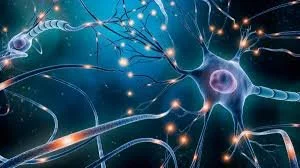
Homeopathy recognizes a hierarchy in healing that frequently begins with mental and emotional regulation before physical symptoms shift. When stress perception stabilizes and the nervous system becomes more resilient, improvements often follow in immune balance, detox function, hormonal stability, and inflammation patterns.
This mind-body relationship is one reason homeopathy integrates so incredibly well with trauma-informed care, nervous system regulation work, and functional medicine.
How It Fits Into Modern Healing
Homeopathy is frequently used alongside detox protocols, functional medicine, nutritional therapy, nervous system regulation work, and conventional medical care. Its individualized nature makes it particularly useful for sensitive individuals and complex cases where layered support is needed.
For many people, it offers a thoughtful, gentle approach that respects both biology and the energetic aspects of healing.

Interested in Exploring Homeopathy Personally?

If you’re curious about how homeopathy could fit into your healing journey, the best place to start is with a personalized consultation. A 1:1 homeopathic assessment is essential to understanding the nuances of each case, selecting the most appropriate remedies and a coming up with a bio-individualized strategy and plan.
Book a Homeopathy Consultation: