
We Cannot Have Rigid Systems in Healing: What 15 Years of CIRS Recovery Taught Me About Bio-Individuality
There was a stretch of time when I watched my kids regress off very treatments that were supposed to be helping them heal.
As a mom, you do everything right. You run the labs, follow the protocol, trust the practitioner, and make treatment decisions off the data in front of you. But sometimes there are gaps — false negatives, incomplete or incorrect data — and when that happens, your child doesn't move forward. They move backward.
These devastating regressions are more common than you'd think, and they're what sent me searching for answers the protocols I was using simply didn't have.
Many Voices in CIRS, Not Two Camps
When my family and I became sick with Chronic Inflammatory Response Syndrome (CIRS), I went looking for one answer. What I found instead was an entire field of brilliant minds, each holding a piece of the puzzle — and none of them holding the whole picture alone.
Shoemaker gave me a map. More than that, he's one of the original pioneers who gave this entire field its language and legitimacy in the first place. His work is biomarker-driven and sequenced — the actual science behind what was happening in my body and my kids' bodies (MSH, C4a, the biotoxin pathway). Without what he built, none of the rest of this field would exist in the form it does today. I have deep respect for his contribution and what it's given thousands of families, including mine.
CellCore gave me a terrain-based lens: drainage first, open the channels, support the body's own elimination before pushing anything else. This is so critical, and it plays a huge role in how I practice today — terrain first, always.
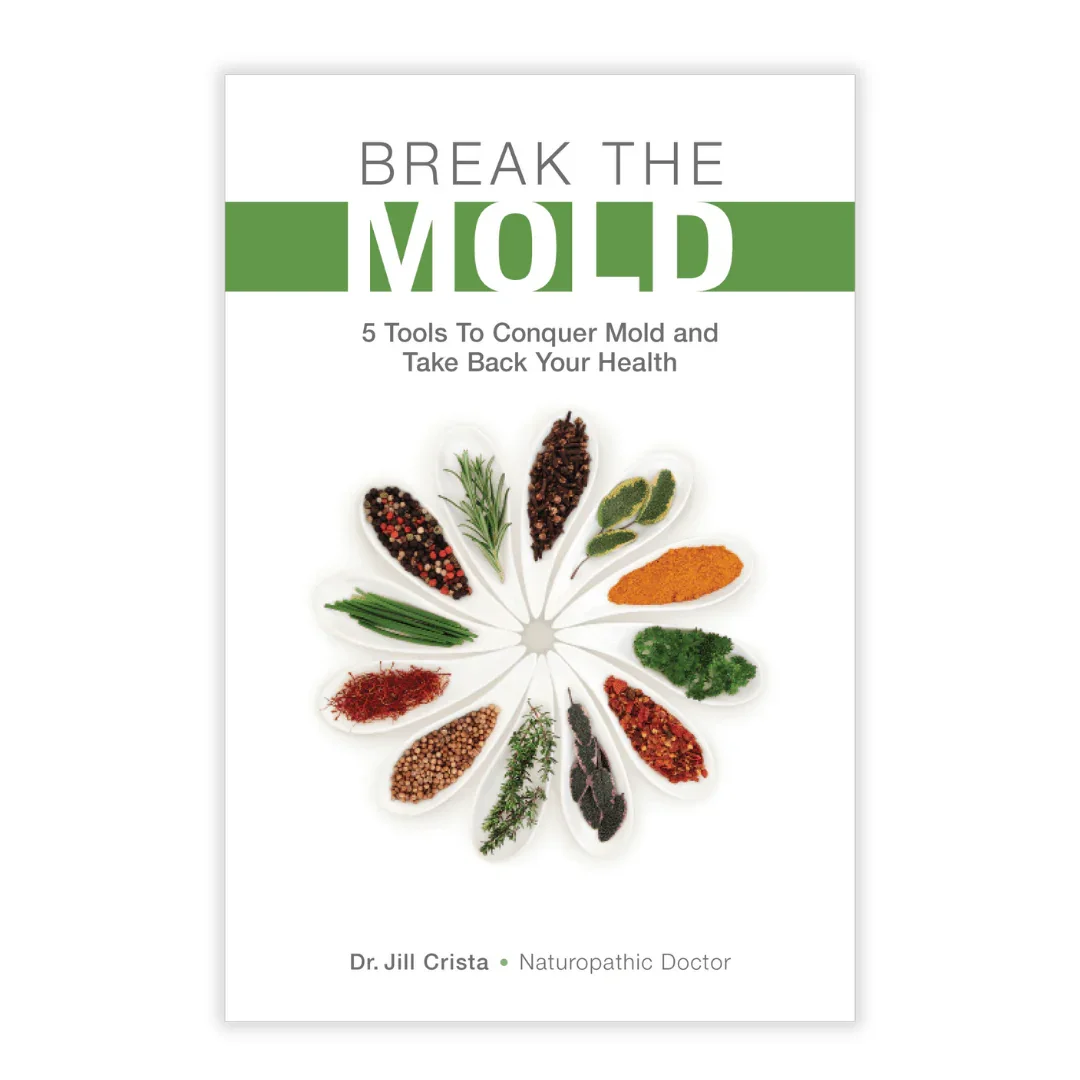
Jill Crista's Break the Mold insists avoidance comes first. Leave the place that's making you sick, because slow exposure builds in the body long before it's even recognized.
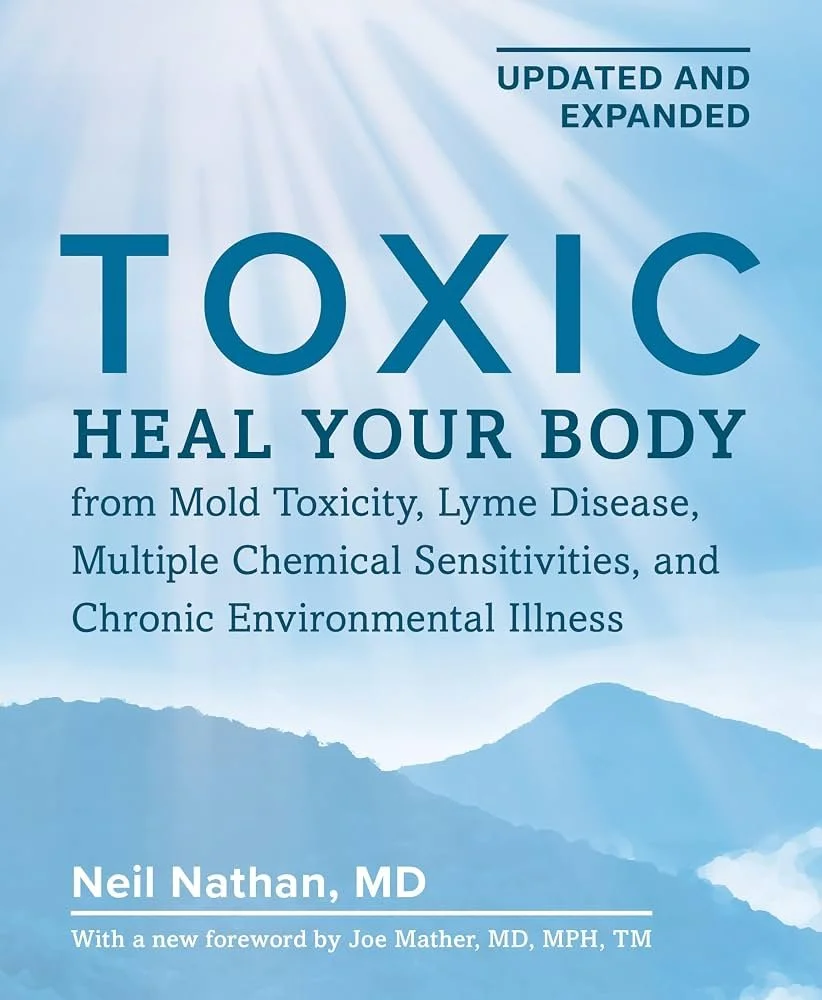
Neil Nathan's Toxic speaks directly to the most sensitized people I work with — the "ultrasensitive" patients where mast cell activation, limbic dysfunction, and vagal nerve dysfunction are deeply intertwined, and where the body can get stuck fighting a threat long after the actual danger has passed.
And then there's homeopathy and classical detox support, which I lean on constantly. Sometimes what moves a child's case forward isn't a stronger binder — it's a gentler one. A remedy, a nosode, or a different type of support that a sensitized system can actually tolerate when a stronger binder is simply too much, too soon.
I'm grateful for all of them — for Shoemaker laying the foundation this entire field stands on, and for everyone who's built on and expanded it since. But no single one of them, alone, got my kids and me better. Because it was never really about the framework. It's a journey of one, for every single case.

CIRS Is Not a Detox Problem
CIRS isn't "my body has some toxins, let's get them out." It's a whole-body inflammatory disorder, and often a neuroimmune cascade develops where genetically susceptible people get stuck in an inflammatory loop that doesn't resolve just because you start binding mycotoxins. Generic detox often backfires for true CIRS — and rigid, biomarker-only protocols can fail too, especially for kids and sensitive systems.
I've lived both failure modes. You have to be brave enough to try things with sensitive children, even when big reactions can occur — and sometimes it blows up in your face anyway. Trying repeatedly takes a kind of courage most people can't fathom. I've trusted labs that showed no mycotoxin excretion — clean results, by every framework's logic. Only we weren't clean; we'd missed the genetic piece and simply couldn't excrete. I've also used genetic information to guide a decision I believed was right, and it landed us in the hospital.
Fifteen years in this work gives you perspective: even your best data today might be an incomplete picture by tomorrow.
A few layers worth always investigating:
Lyme disease, which was hiding underneath the mold for my family and can't be treated as though it doesn't exist — but it has to be addressed in the right order.
Parasites and biofilm, problems that exist in virtually everyone (and were especially prevalent early on in my son's case), which shield colonies from binders, antimicrobials, and the immune system alike.
The sinuses, one of the most common places mold colonizes — and quietly reseeds the body even after a "successful" detox everywhere else. We're remarkable reservoirs and hosts.
And something simple that gets overlooked constantly: if your client can't poop, you cannot detox them effectively, no matter the protocol. Without elimination, mobilized toxins recirculate, driving more inflammation — and more behavior that looks like "crazy," when really it's just a very backed-up system.
Testing throughout the journey matters too, because the picture changes as new layers reveal themselves.
And above all: this takes time. Nobody got this sick overnight, and nobody heals overnight.
Bio-Individuality Is the Whole Game
There is no ONE protocol. I've seen people in the exact same home — same exposure, same genetics — need meaningfully different treatment paths.
Practicing that is a discipline. It means asking hard questions for each individual instead of stopping at the first lab answer, and peeling back layer after layer like an onion until you find what's actually driving this case. It means going low and slow, recognizing that pediatric patients are often far more sensitive, and understanding that a binder appropriate for an adult can be too strong to start with in a sensitized child.
That discernment — not the protocol — is the actual clinical skill. This is a journey of one, every single time.
The Relationship Is the Real Protocol
The protocol isn't the thing. The relationship is — between the medical side, the environmental side, and the client, all refusing to give up and continuing to dig deeper. No system knows your (or your child's) nervous system, history, or the details that don't fit neatly on a lab order. Only a practitioner who is really listening — and a patient who truly holds that — can get there.
My sons, Tyler and Jaxon, and I went through this together. Same household, same exposure, about as genetically similar as three people can be. All three of us turned out to have a Lyme layer underneath the mold, and all three of us were dealing with late-stage Borrelia, bartonella, babesia, EBV, hypothyroidism, immune dysfunction, and autoimmunity. The boys also had PANS.
Same exposure. Same genetics. Same family. And still, each of our protocols ended up completely different — shaped entirely by what each body actually had the capacity to handle at that time.
I needed neurofeedback and trauma work before anything else would hold. One son needed exact-right sequencing, going painfully slow — unable to tolerate much at all for a considerable stretch of time — with far more drainage support than you'd ever think necessary on paper. The other needed something else entirely: high-dose IVIG every three weeks for two days, and years of hardcore triple-antibiotic Lyme treatment to bust through the bacteria's cell wall and intracellular forms before he could cross the finish line.
Same starting point. Three completely different roads.
Healing is never a straight line. The steps in any framework are tools in the toolbox — not the destination.

The Missing Leg Almost Nobody Talks About
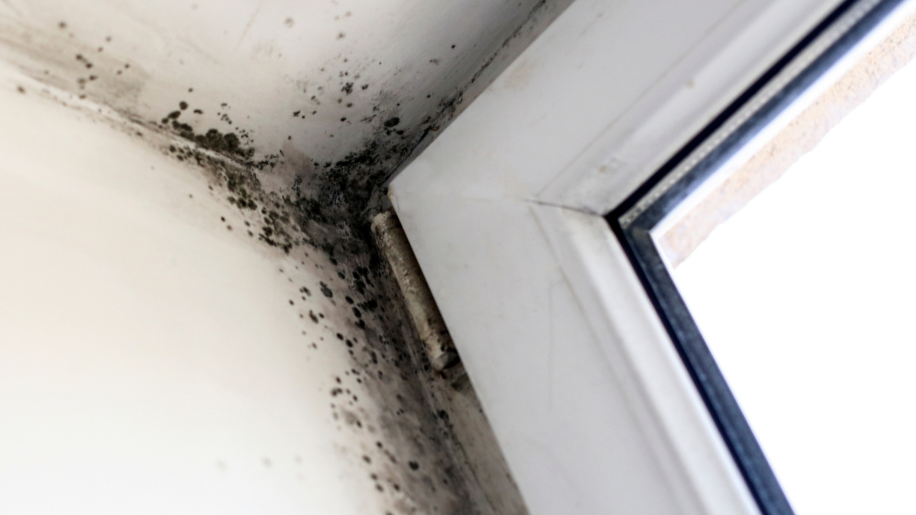
You can have the best practitioner and the most personalized protocol in the world, and if your client goes home to a building that's still making them sick, none of it holds.
Most indoor air quality testers and remediators simply aren't trained to understand CIRS-level sensitivity. "Passed inspection" and "safe for a CIRS patient" are not the same sentence.
Over the years, I've built relationships with mold professionals who actually understand this distinction. That network isn't a nice-to-have — it's the third leg of the stool. Remove it, and the whole thing falls apart. No amount of clinical brilliance gets a truly sensitized person across the finish line if they're still living in an unsafe space. The right environmental professionals are absolutely vital to your success.
What I Want You to Take From This
If you or your child are doing "everything right" and still not getting better, that doesn't mean detox doesn't work — and it definitely doesn't mean you can't heal. It might just mean the map you're using wasn't drawn for the body you're standing in.
CIRS is not one-size-fits-all. Not because any single framework is wrong, but because every case is its own journey — every single one. The frameworks are tools, all of them valuable, and none of them a substitute for sitting with someone willing to get to the root of the individual case in front of them.
We cannot have rigid systems. Not because the system doesn't matter, but because the body in front of you may not be reading the right playbook. Healing happens in relationship — with your practitioner, a customized protocol, your environmental team, your own body, and the space you live in.
xoxo, Ashlee
If you're navigating CIRS or suspect mold illness and want support building a protocol that's actually built for you, I'd love to talk. In the coming weeks, I'll be sharing more CIRS-related content — the things I see help the most — so stay close.
Work With Ashlee
Complimentary 15-Minute Health Consultation— Not sure where to start? Book a free call to figure out how Ashlee can best support your health and detox journey.
1:1 Coaching — Personalized support to fit your detox goals and overall health needs.
Homeopathy Services — A sophisticated, individualized system of medicine designed to support the body's natural regulatory intelligence.
Follow @unfuckyourhealth on Instagram for more.